Amber Rudd MP, invited Buckswood Students to be among the first in Hastings to travel on the High Speed train the ‘Javelin’ that made a special visit to the town as part of the MP’s Rail Summit. Continue reading MP invites Students to travel the High Speed Javelin
Category: Transport
Rye’s Own approaches Transport as a living magazine subject, bringing together news, personalities, photographs and stories from across the archive. Articles including “Two Ways to Hastings”, “Parking in Rye”, “Cheapest Petrol & Diesel in the Country”, “90% Opposed to Lorry Park”, and “Bus Operators of Rye & District” give a flavour of the people, places and moments collected here. It is designed for browsing: one familiar name or remembered incident often opens the door to another.
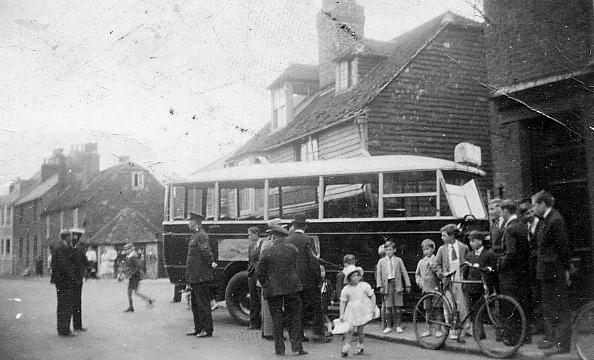
The Bus Went to the Cinema
The bus that went to the cinema, or almost, as can be seen from the picture (Electric Palace in the Landgate is the building just beyond the bus with the coloured electric light bulbs in the shape of an arch). It was an East Kent converted charabanc on the Camber Rye Harbour service. Continue reading The Bus Went to the Cinema
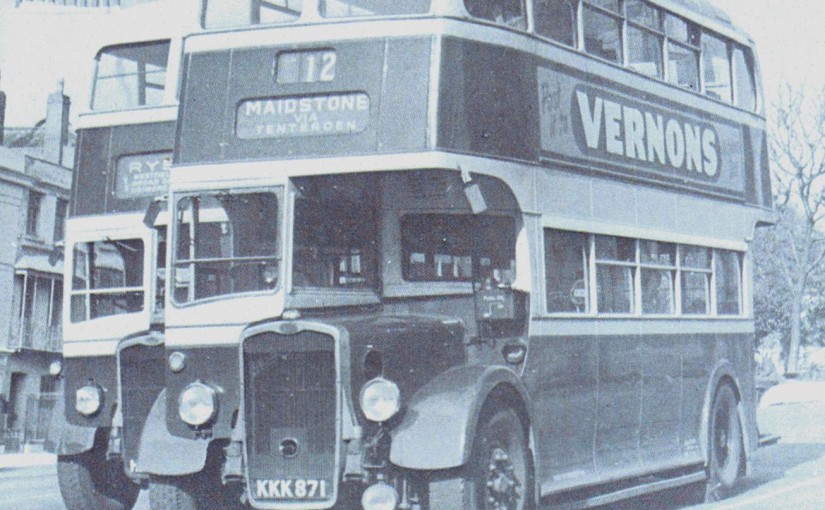
Two Ways to Hastings
WE ASKED IN OUR MARCH EDITIONS ABOUT MEMORIES AND PHOTOGRAPHS OF JOURNEYS TO AND FROM RYE, HASTINGS AND HYTHE – EITHER BY TRAIN OR BUS.
Roland Jempson from Bristol sent us this account which included these fine pictures
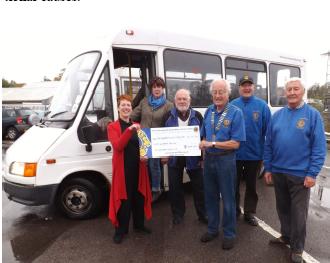
Lions Support Rye Community Transport
Rye and District Lions Club have made a donation to Rye and District Community Transport for the third year running. Following their earlier donations of £1,000 and £500, they have donated an additional £500, making a total of £2,000 over the last three years. Continue reading Lions Support Rye Community Transport
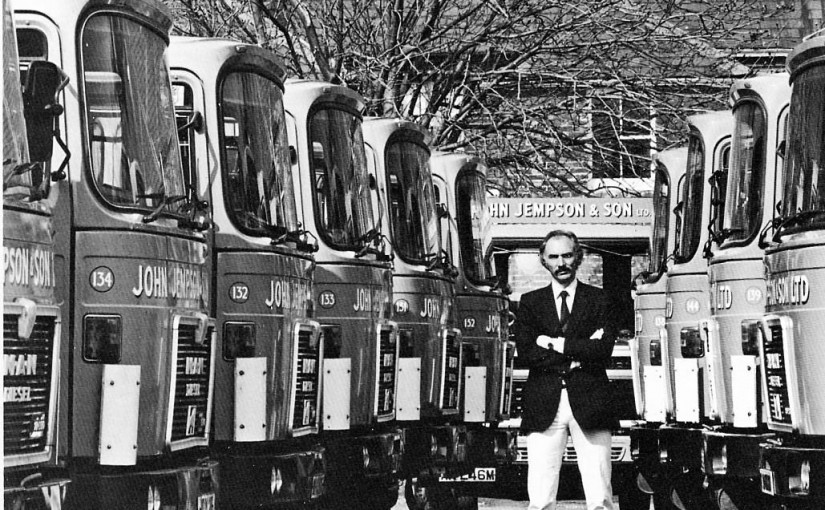
The Jempsons of Rye
The Jempsons of Rye, East Sussex
Who are they and where did they Originate from?
By Roland Jempson Family Historian
(With help from second cousin Bridget Ewing Genealogist)
It was also from Arthur born 1833 and Jane Elizabeth that the other well known branch of the Jempson Family in the Rye Area were descended from. “The Jempsons of the Rye Haulage Company based at Slade Yard.. Continue reading The Jempsons of Rye
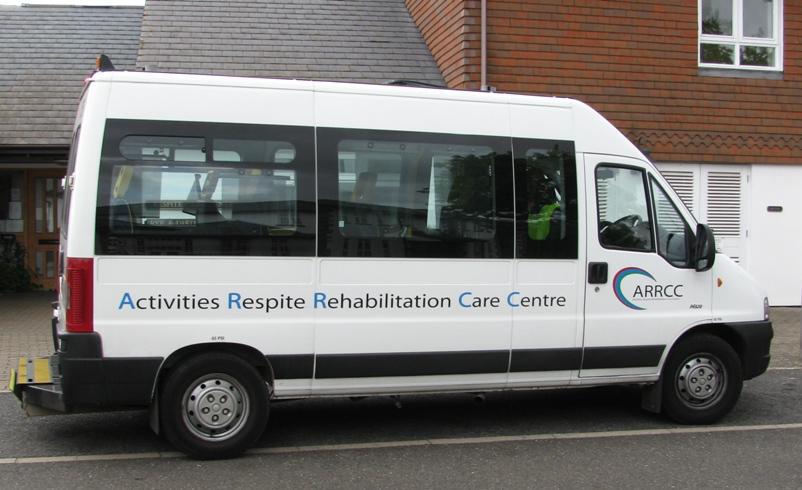
ARRCC is going out and about with new activities
By Irna Mortlock
ARRCC Members and Staff are out and about and making the most of the good weather. Continue reading ARRCC is going out and about with new activities
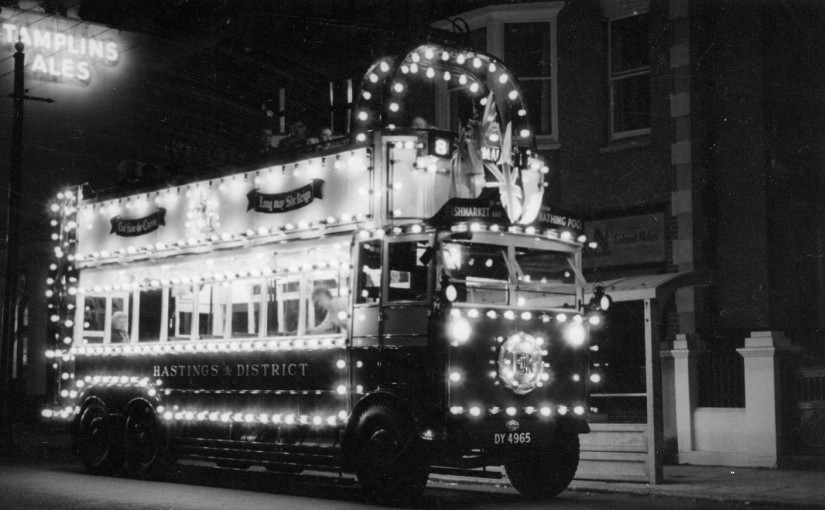
The Hastings Trolley Busses
80 Years Ago in Hastings
By Roland Jempson
On April 1st 1928 Hastings experienced a new type of public transport. The opening of the towns new Trolleybus system, it was inaugurated by four of the newly delivered GUY BTX 60 Trolleybuses Nos 1, 2, 3 and 4 with Christopher Dodson open top bodies, on the No 4 route, Hollington to the Fish Market via Bohemia Road and The Memorial, replacing the Trams on the part of the route to the Memorial (Trams did not operate to the Fish Market or Old Town). One of the Trolleybuses was even driven by Mr Vincent Edwards the Manager, The First four were decorated with Flags and Bunting, and had as passengers invited guests and Ex Servicemen. Continue reading The Hastings Trolley Busses
Hastings 80 years ago
The Story of the Trolley Bus
By Roland Jempson
On April 1st 1928 Hastings experienced a new type of public transport. The opening of the towns new Trolleybus system, it was inaugurated by four of the newly delivered GUY BTX 60 Trolleybuses Nos 1, 2, 3 and 4 with Christopher Dodson open top bodies, on the No 4 route, Hollinton to the Fish Market via Bohemia Road and The Memorial, replacing the Trams on the part of the route to the Memorial (Trams did not operate to the Fish Market or Old Town). Continue reading Hastings 80 years ago
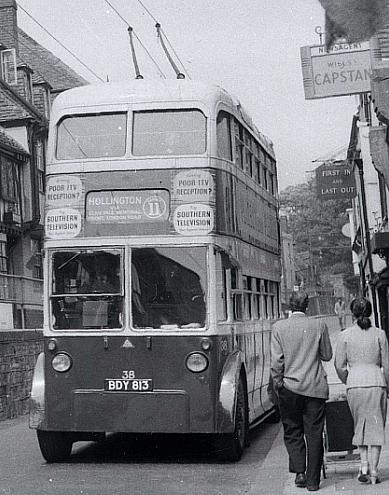
Bring back Trolleybuses in Hastings.
Ion Castro of the Hastings Trolleybus Restoration Group explains why. Continue reading Bring back Trolleybuses in Hastings.
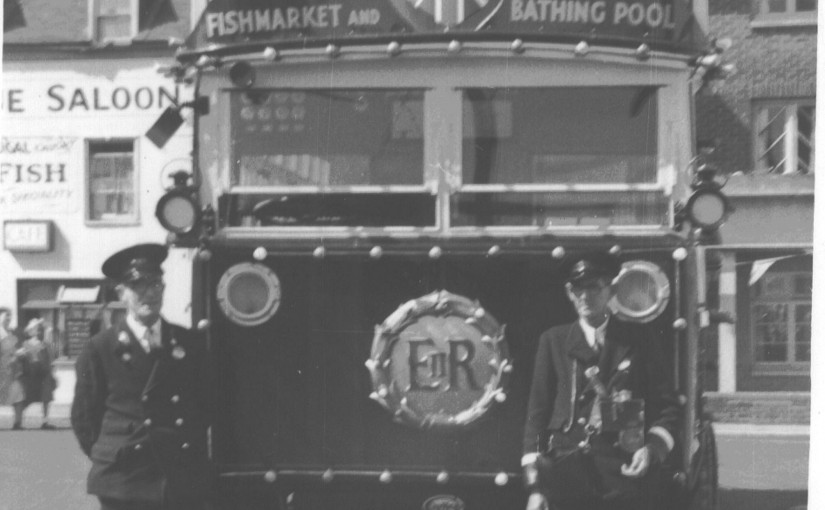
Happy Harold
A brief history of an unique vehicle by Ion Castro of the Hastings Trolleybus Restoration Group.
On the first of April 1928 Hastings was in the forefront of transport technology, the ageing fleet of tramcars on their worn out track was being replaced with trolleybuses; these electrically powered vehicles were freed from the constraint of rails and ran, quietly and efficiently on pneumatic tyres, just like ‘ordinary’ internal combustion engined buses but without the noise, vibration and fumes. Trolleybuses drew their power from wires suspended above the road carrying 500 volts DC. Continue reading Happy Harold